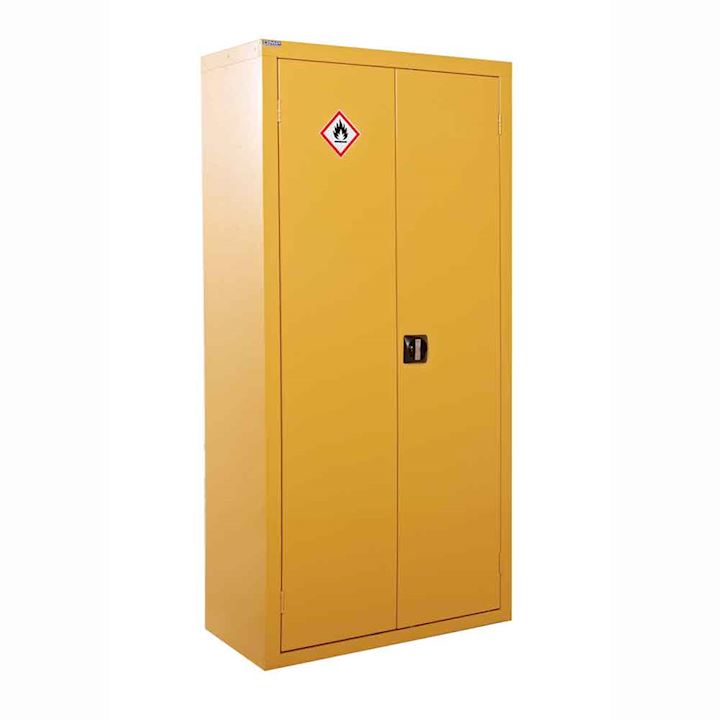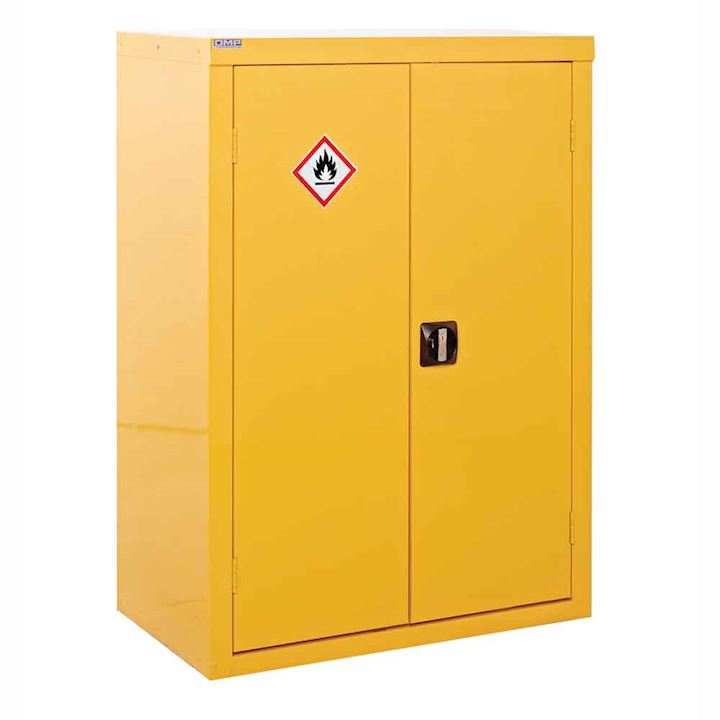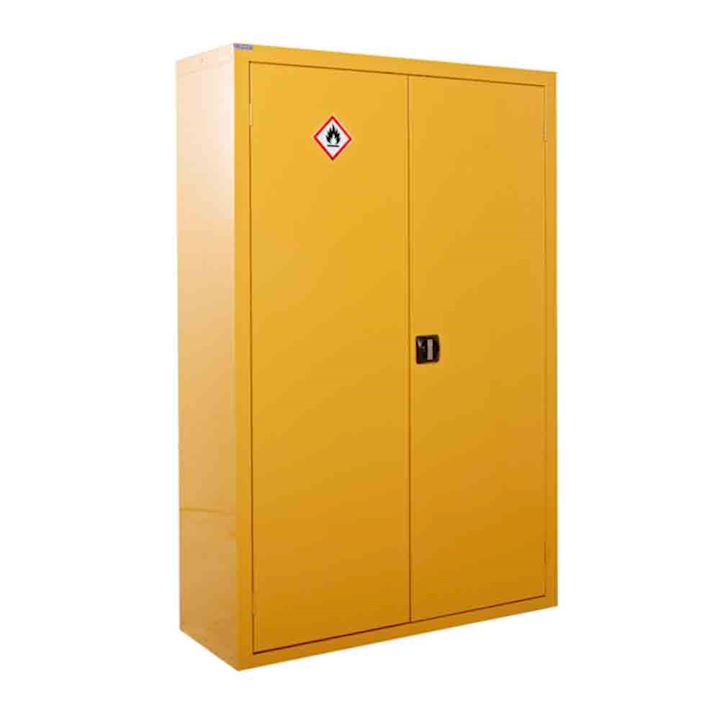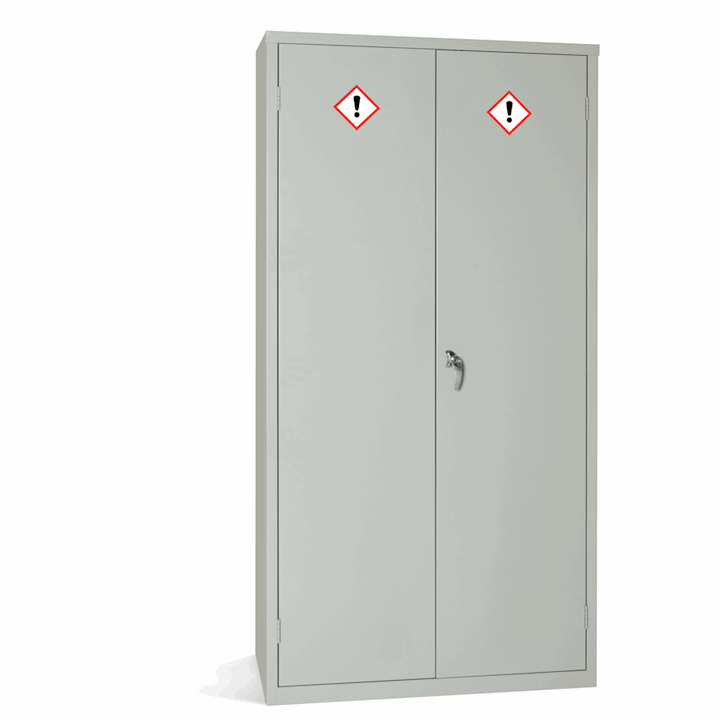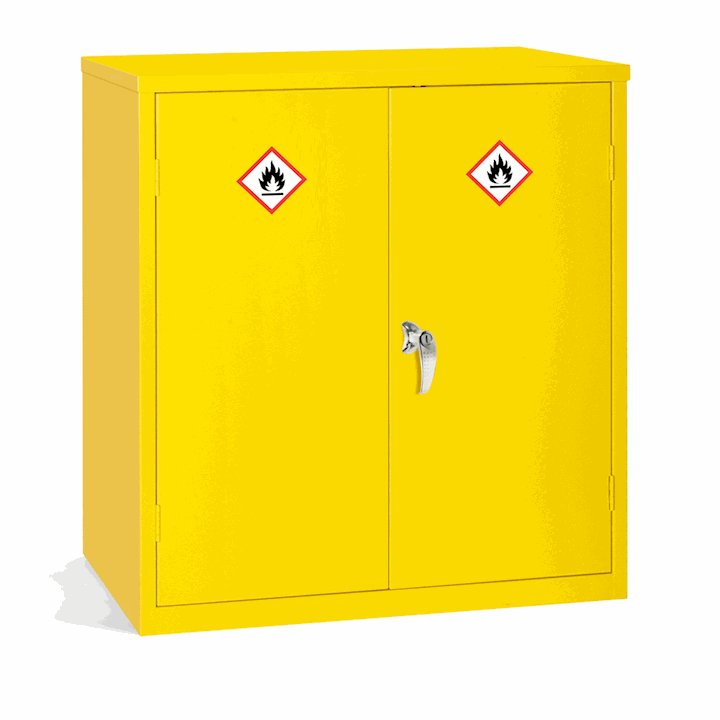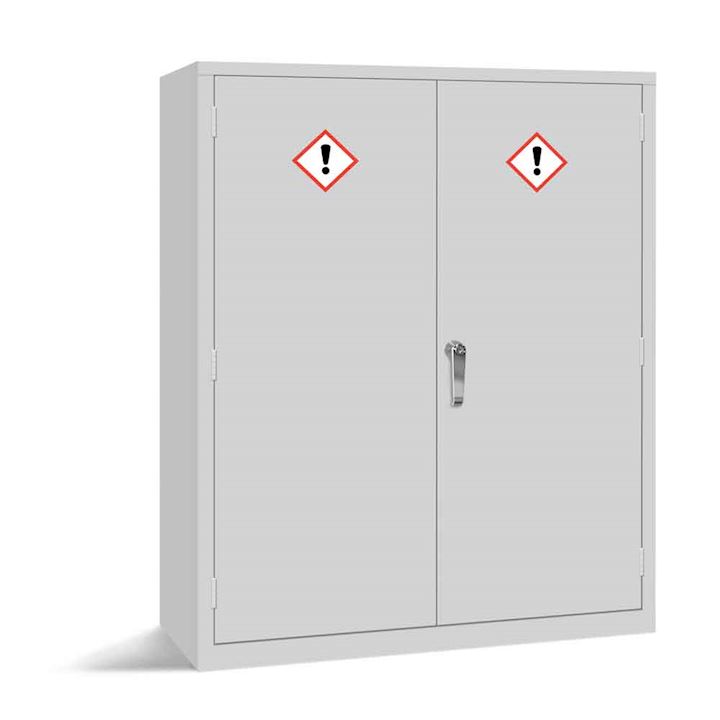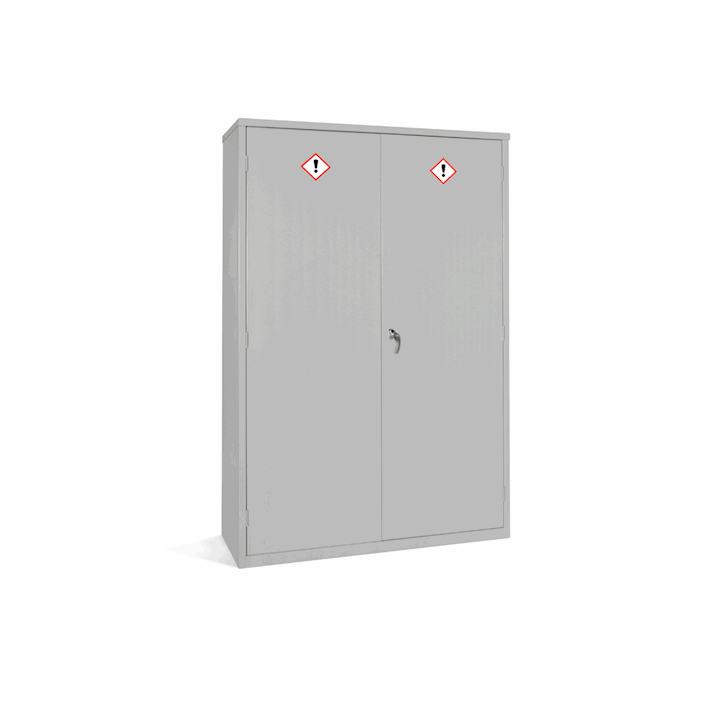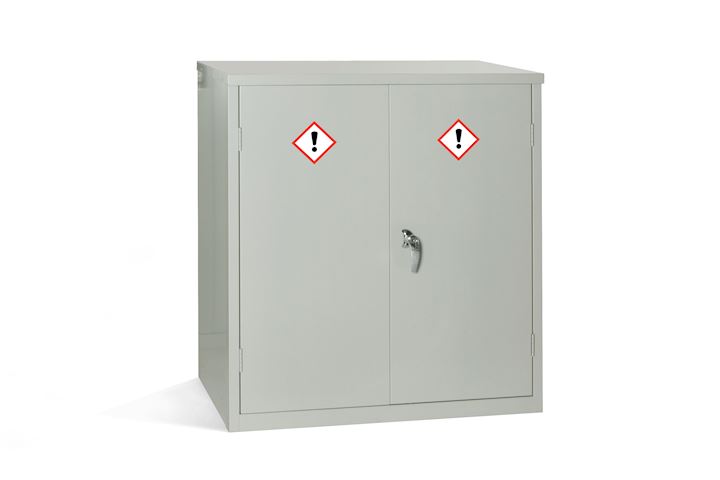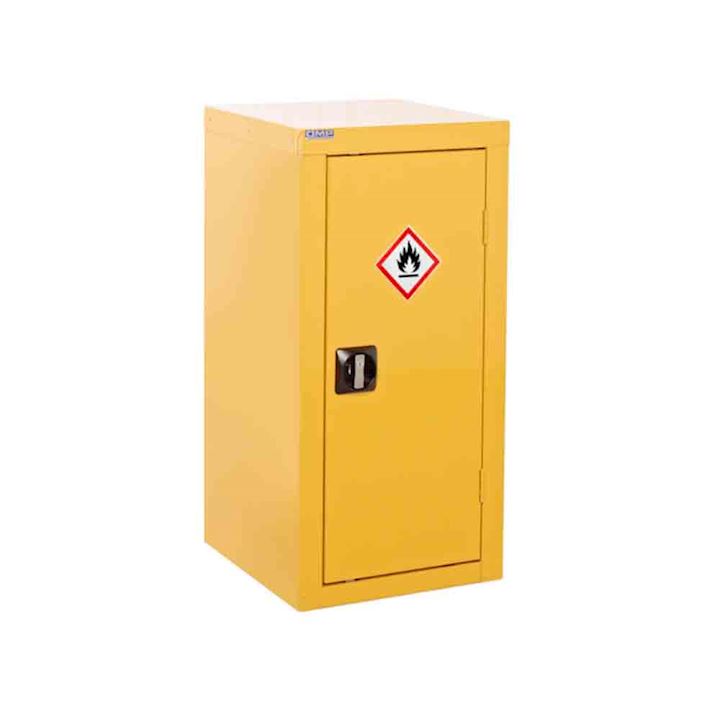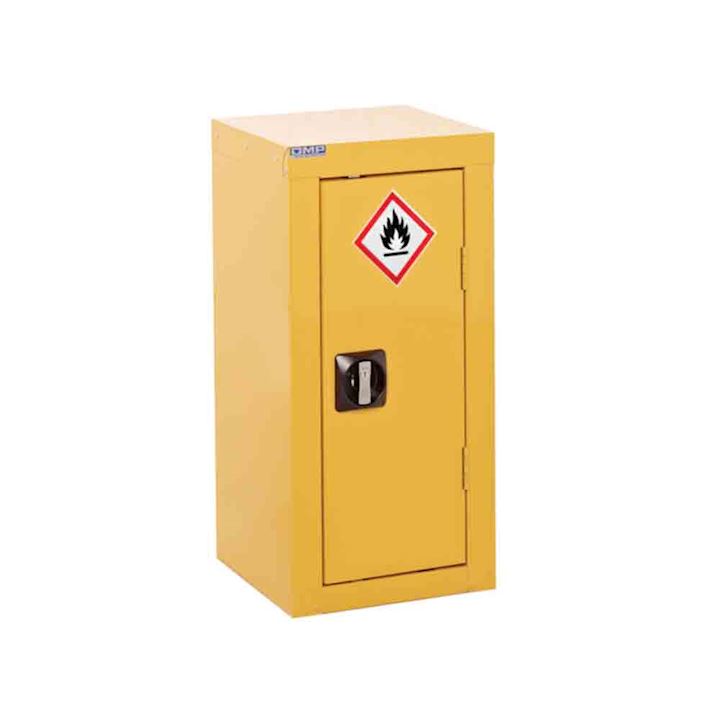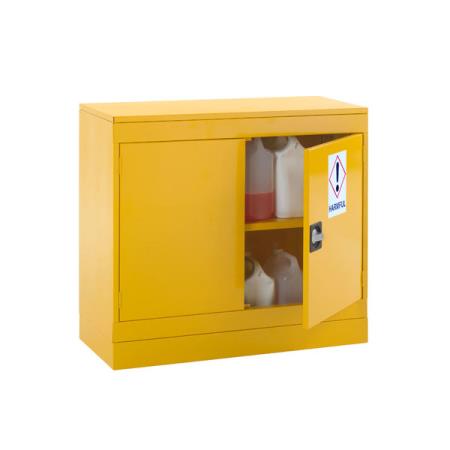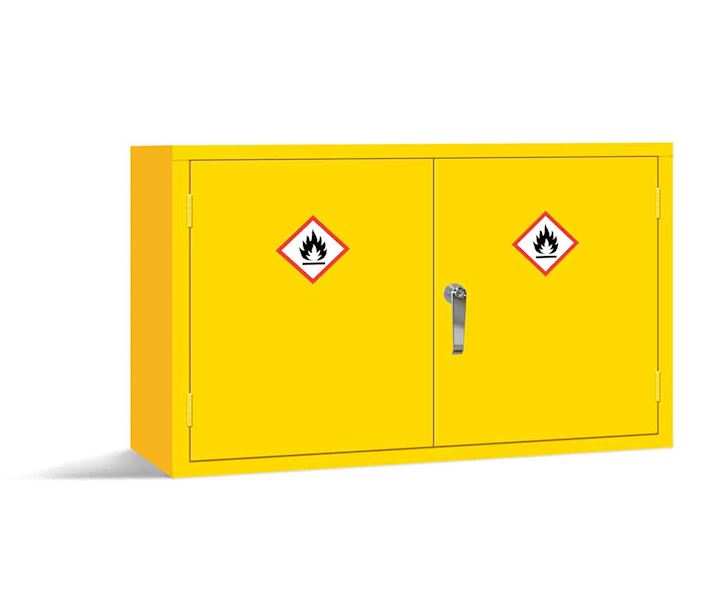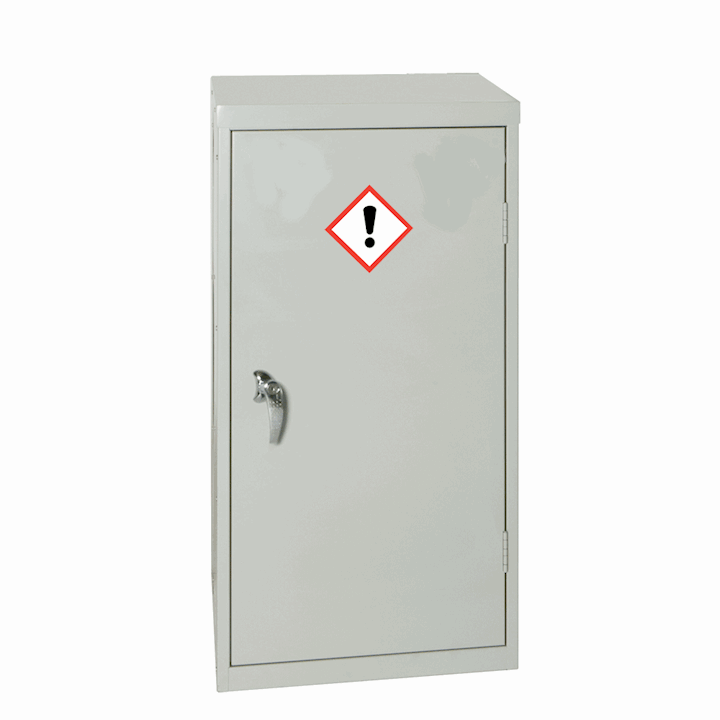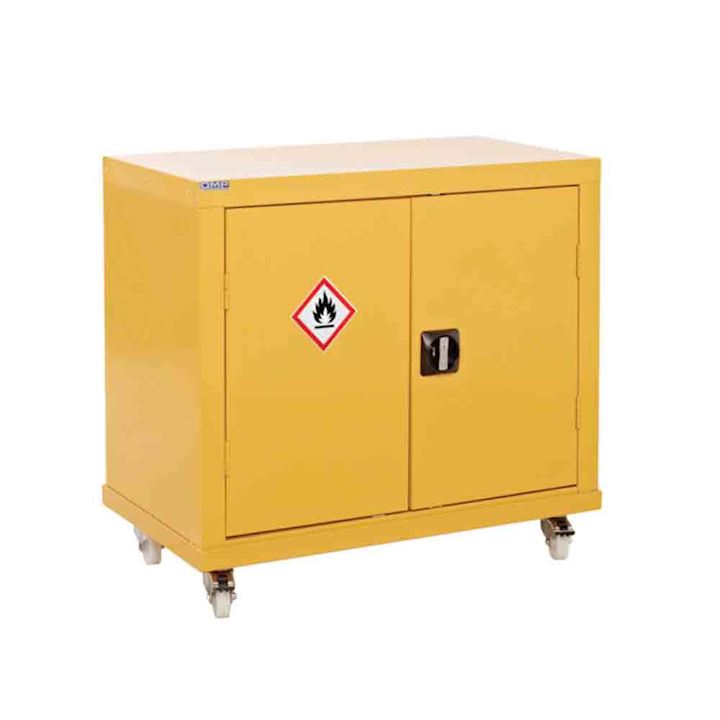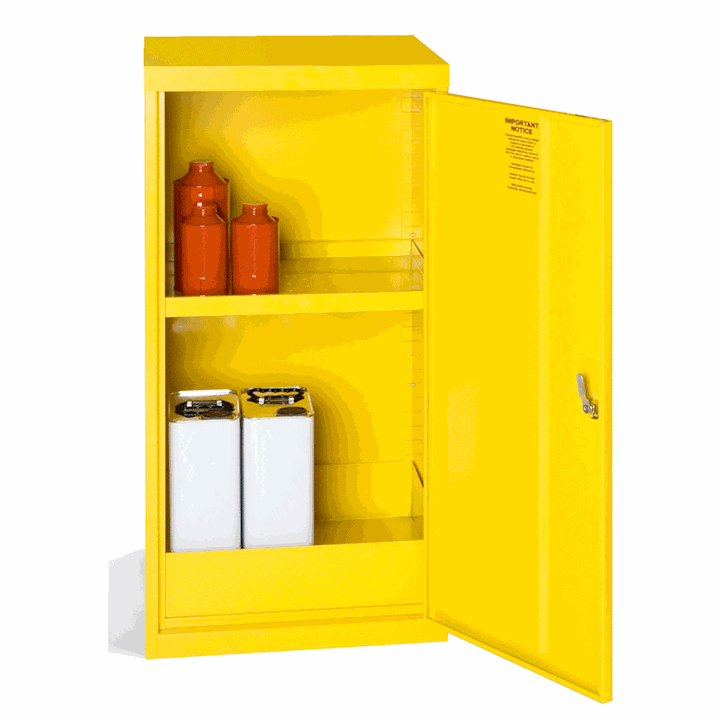

Ensure full workplace compliance with our extensive range of COSHH cabinets and hazardous substance storage cupboards. Designed for the secure containment of chemicals, solvents, and irritants, our cabinets meet strict HSE guidelines, including HSG51 and DSEAR 2002.
Understanding COSHH Compliance for Hazardous Storage
COSHH (Control of Substances Hazardous to Health) regulations require employers to control substances that can harm employees. A vital part of this is the safe storage of hazardous chemicals, solvents, and cleaning agents. Using a dedicated, identifiable storage cupboard ensures that hazardous materials are contained, restricted to authorized personnel, and prevented from leaking into the environment.
Choosing the Right COSHH Cabinet for Your Workplace
While these yellow units are ideal for general hazardous substances, your risk assessment may require specialized solutions. If you are storing highly combustible materials, explore our Flammable Liquid Cabinets for enhanced fire resistance. For corrosive agents, we recommend our Acid and Alkali Cupboards featuring high-durability liners, or our Pesticide & Agrochemical Cabinets specifically designed for the agricultural sector.
COSHH Cabinet Size & Sump Capacity Guide
| Cabinet Type | Dimensions (H x W x D) | Sump Capacity | Ideal For |
| Small/Benchtop | 700 x 350 x 300mm | 10 Litres | Laboratories & under desk storage |
| Medium Cupboard | 900x x 460 x 460mm | 15 Litres |
Small workshops & janitorial cupboards |
| Standard Double | 1000 x 915 x 450mm | 30 Litres | General industrial chemical storage |
| Large Industrial | 1830 x 915 x 450mm | 45 Litres | High-volume warehouse & factory use |
| Extra-Wide | 1830 x 1220 x 450mm | 60 Litres | Bulk storage of 25L drums & containers |
Best Practices for Organizing Your Hazardous Substance Cabinet
To maintain a safe workplace, chemicals should never be stored alphabetically. Instead, they must be organized by chemical compatibility (e.g., separating organics from inorganics).
-
Heavy Items: Always store larger, heavier containers on the bottom shelves or directly above the sump to maintain cabinet stability.
-
Sump Integrity: Ensure the integral leak-proof sump is kept clear of debris so it can effectively contain any accidental spills.
-
Labelling: All containers must be clearly labeled. Our cabinets are supplied with GHS-compliant 'Harmful' and 'Flammable' labels to assist with your safety audit.
Compliant Hazardous Storage for Chemicals and Solvents
All our UK-manufactured storage cabinets feature 3-point security locking and integral leak-proof sumps to ensure your facility remains safe. From small wall-mounted units to extra-wide floor cupboards, our hazardous substance cabinets are built from reinforced steel with an anti-bacterial powder coating—making them perfect for industrial, medical, and educational environments.
COSHH Storage Solutions for Schools and Universities
Education environments present unique risks where students and staff have varying levels of chemical knowledge. Our COSHH cupboards are finished with an anti-bacterial powder coating, making them ideal for high-traffic school laboratories and medical facilities. The secure 3-point locking system ensures that restricted substances remain inaccessible to unauthorized users.
3-Step COSHH Risk Assessment Checklist
Before purchasing your COSHH Cabinet, ensure you have completed these three essential steps to meet HSE requirements:
Step 1: Identify Your Substances Check the Safety Data Sheets (SDS) for every chemical in your workplace. Look for the "Hazard Identification" section. If you see symbols for Corrosive, Oxidising, or Harmful, you require a dedicated safety cabinet.
Step 2: Calculate Your Required Sump Capacity Legally, your cabinet's sump must be able to contain 110% of the largest container stored inside, or 25% of the total volume stored, whichever is greater.
-
Example: If your largest bottle is 25 Litres, you need a sump capacity of at least 27.5 Litres
Step 3: Determine the Location Identify a well-ventilated area away from heat sources and emergency exits. Ensure the floor is level and capable of supporting the weight of a fully-loaded steel cabinet.